
Flora and fauna
The Viroin-Hermeton natural park has an area of more than 20,000 ha and extends over the merged municipalities of Doische and Viroinval. The park covers 4 geographical zones: Condoz de L’Hermeton, Fagne schisteuse, Calestienne and Ardenne.
The area has 19 nature reserves.
The Domaine des Nobertins is located in Oignies, one of the 8 sub-municipalities of Viroinval. Here the natural park extends between Couvin and the French border.
The Viroin-Hermeton natural park contains a very rich, varied, and astonishing sub-Mediterranean flora. Globe-flowers, Sun-rose, Cinquefoils, Gentians, Hellebore, … and wild orchids form a true carpet of flowers on the unforested plots.
Lakes, rivers, springs, winding valleys, steep slopes and deep forests; the valleys of living water, a unique natural richness in Belgium!
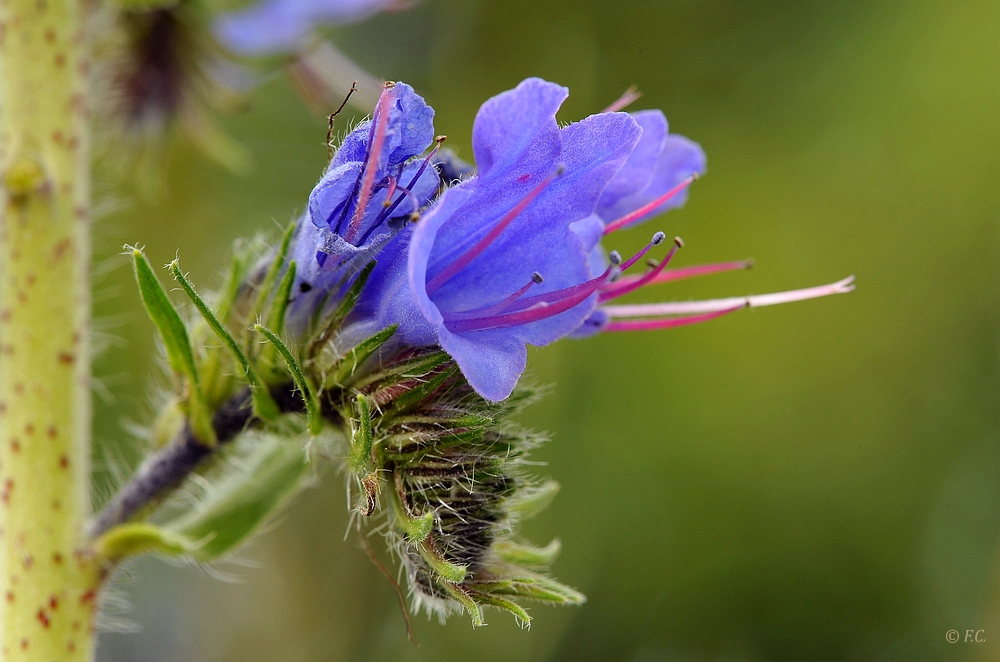
In the northern part of the park runs the Calestienne, an approximately 130-kilometer-long limestone strip, a part of which has eroded. It runs from Trélon just over the French border in the west to Aywaille in the province of Luik in the east. It forms the transition between the lower-lying Fagne-Famenne in the north and the Ardennes in the south. The hilly, stone-strewn soil is not really suitable for agriculture, but sheep and goats do find dry plants to their liking there.
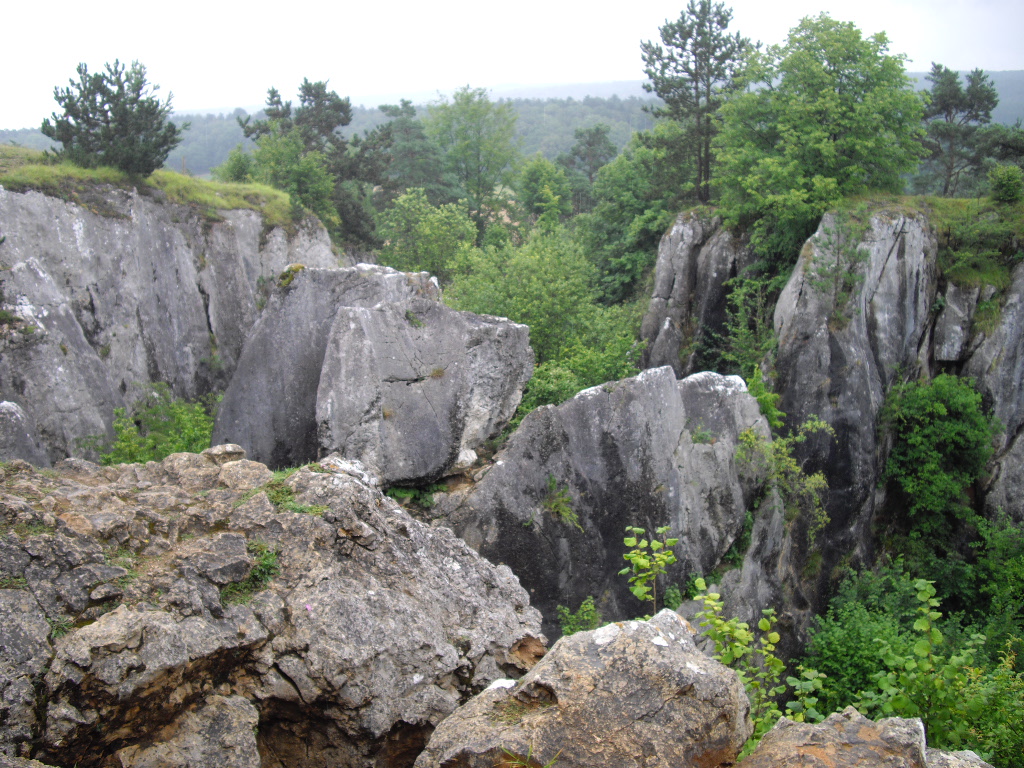
Very characteristic of the natural park are the calcareous grasslands, limestone hills, caves and deep gorges. The most famous are le Fondry des Chiens and le Fondry Matricolo.
Le Fondry de Chiens, a classified nature reserve situated around Nismes, is the best known of the two.
In this nature reserve are located bizarre rock formations that resemble ‘Canyons’ (Rocky Mountains in Amerika). The thirty-meter-deep and two-hundred-meter-wide ravine was eroded by water in the limestone rock.
Besides the formidable flora such as wild orchids and other typical calcicolous plants, the region is also known for its rich entomofauna (insect species).
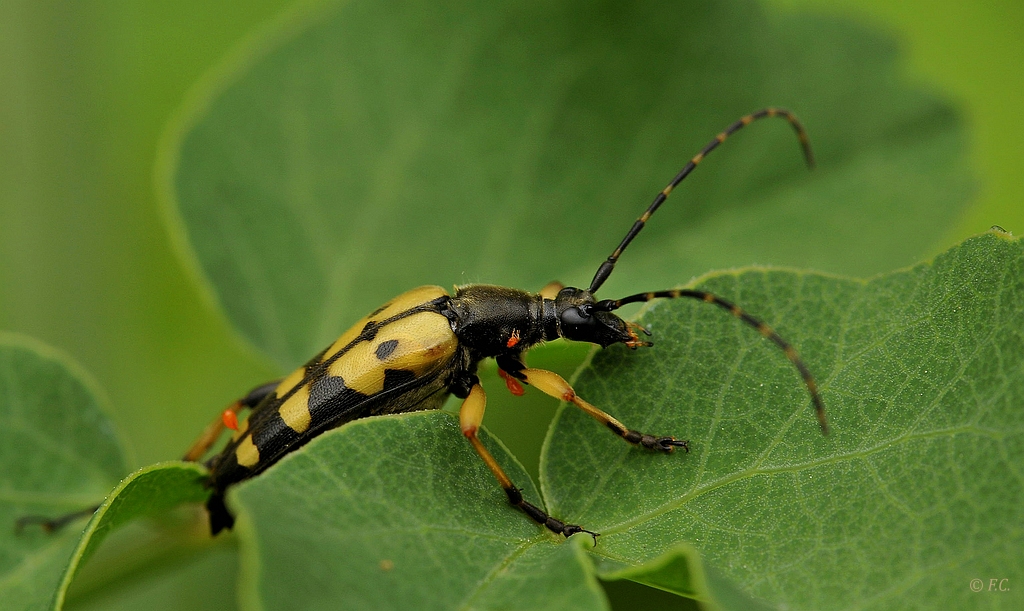
In the summer, numerous rare grasshoppers can be found: Great Green Bush-cricket, White-legged Damselfly, Blue-tailed Damselfly and Blue-winged Grasshopper.
Also butterfly species such as: Wall Brown, Ringlet, Meadow Brown, Silver-washed Fritillary, Large Skipper, Small Skipper, Essex Skipper, Small Heath, High Brown Fritillary, Purple Emperor and Little Blue can be admired.
Bird lovers will also find plenty to enjoy here, the Corncrake, the Nightingale, the Great Grey Shrike and the Savi's Warbler can be heard and seen here.
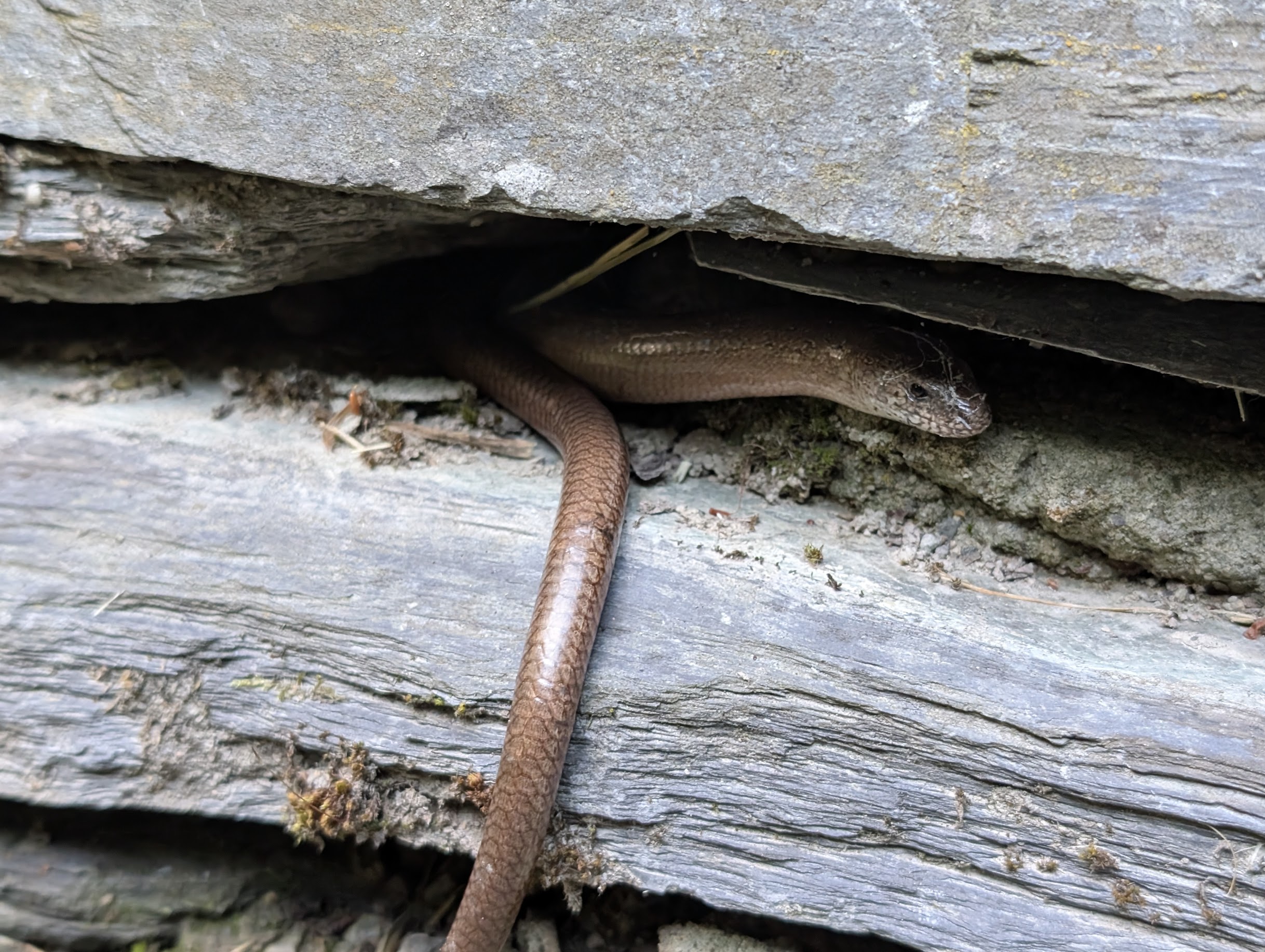
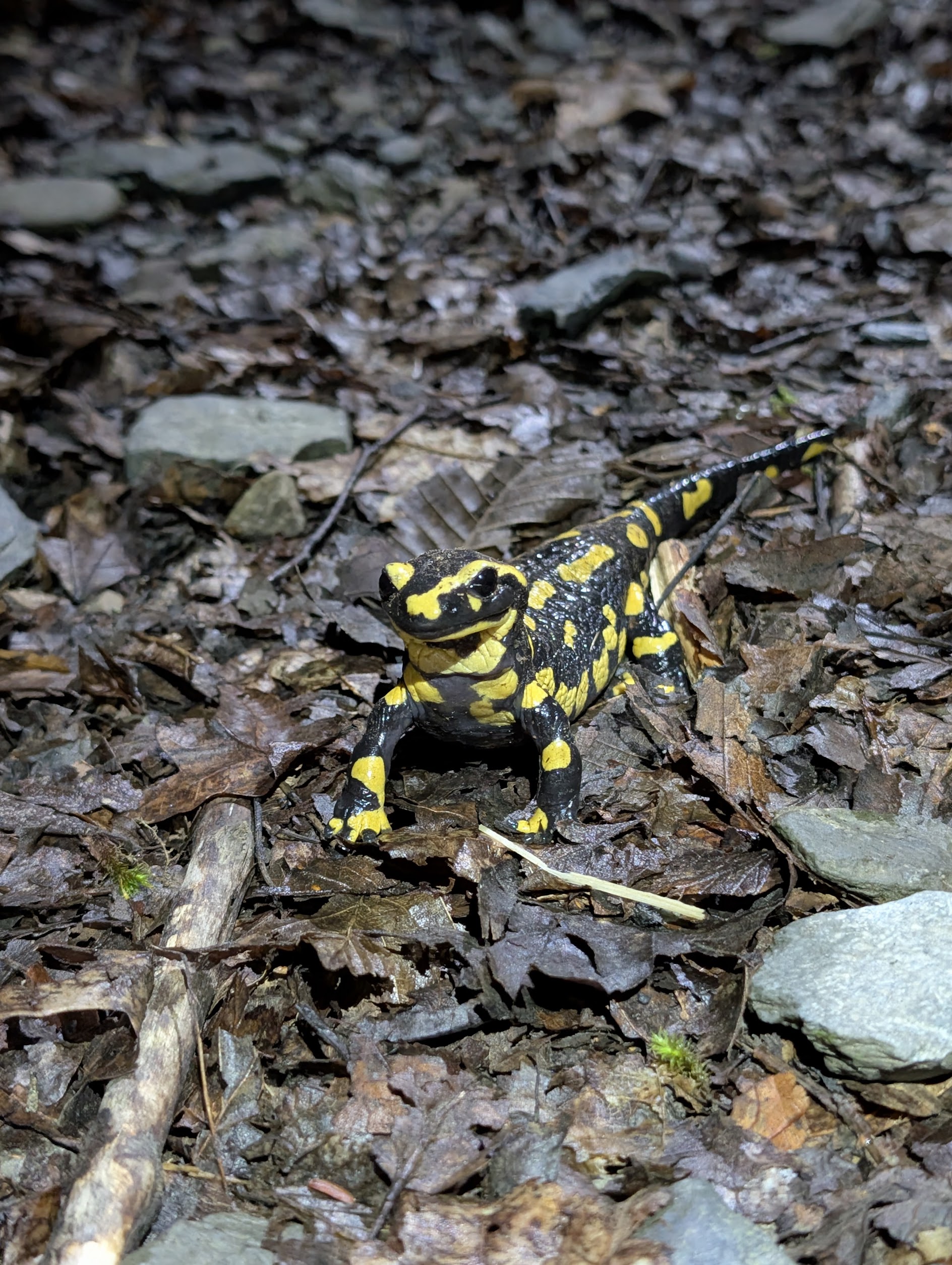
Furthermore, there are also the Great Crested Newt, Fire Salamander, Slow Worm, Wall Lizard, the Black Adder, mountain cricket, beetle, dragonfly, Grass Snake, badger, beaver, wild cat, wild swan, Nightjar and the Little Owl to admire.
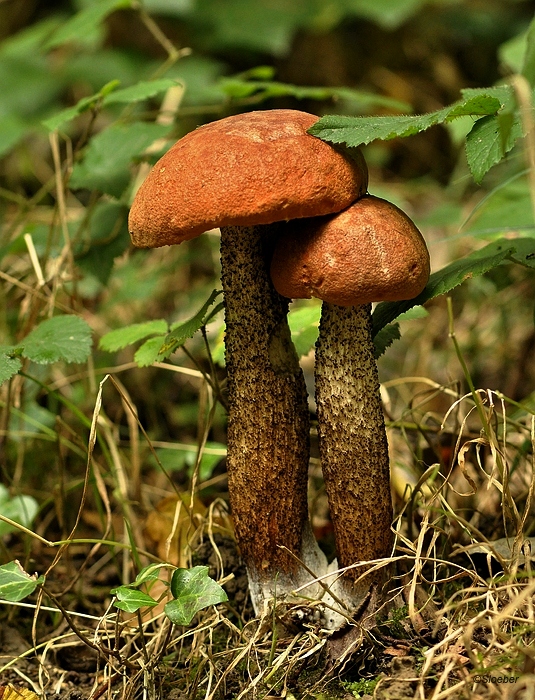
Mushroom lovers, who are abundant in autumn, will certainly also find what they are looking for here: Clouded Agaric, Fly Agaric, wood fungus, Boletes, Stinkhorn. In short, a true paradise for nature lovers.
Two source rivers flow through the natural park, the Eau Noire and the Eau Blanche. The Eau Noire, the black water (the small river turns dark due to the peat residues it carries along) originates in Cul-des-Sarts in the extreme south of the province of Namen. Just past Couvin, a part of the river goes underground through the “Grottes de Neptune”. The Eau Blanche, the white water, originates in Seloignes in the extreme south of the province of Henegouwen. It flows through the Calestienne, just past Mariembourg between Nismes and Dourbes, at the “Roche à Lomme” the two rivers merge to form the Viroin.
At the church in Nismes, a walk (9km) starts through this special landscape. Wear good footwear, as there are some truly challenging climbs among them.
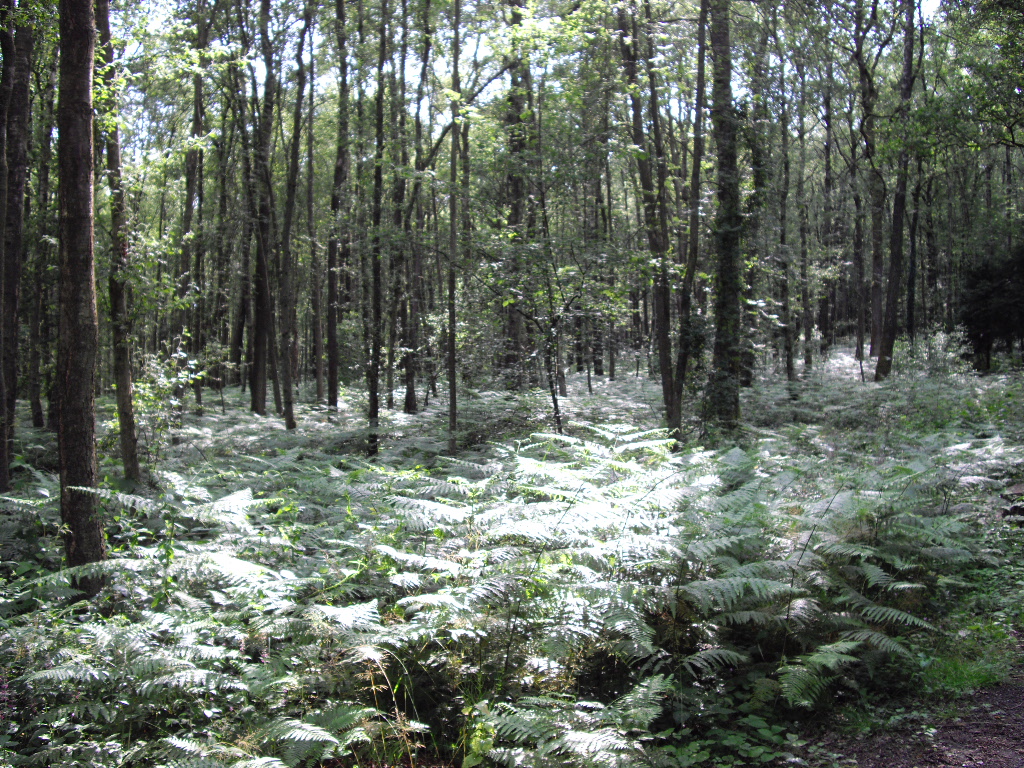
In the southern part are the Ardennes and the vegetation consists mainly of deciduous forests and beautiful large ferns. The Domaine des Nobertins is part of this beautiful forested area.
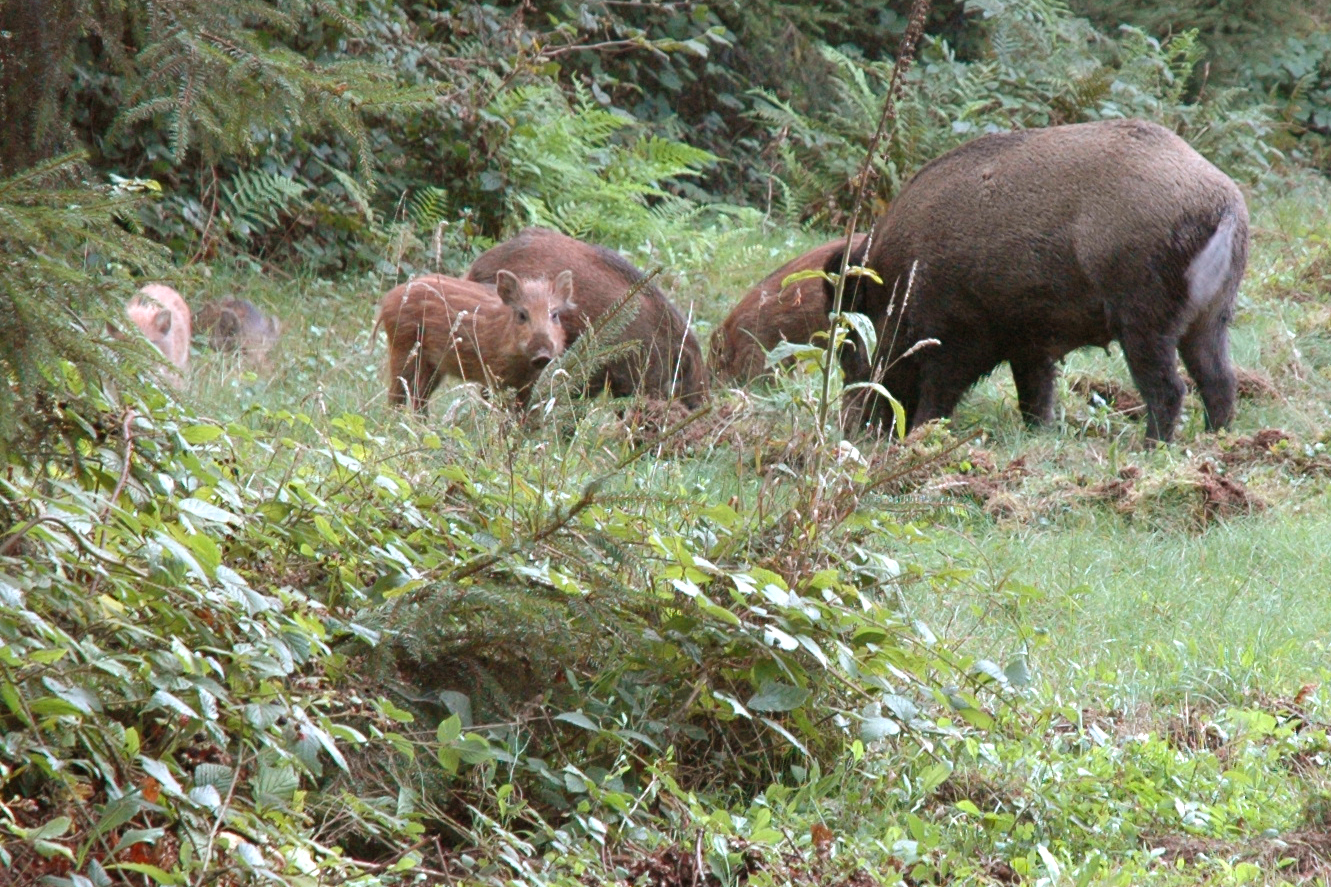
The Ardennes are densely forested, with the result that many wild animals reside there such as wild boars, deer, birds of prey, mouflons, foxes, roe deer and the like.
Also very beautiful is the Foxglove which stands tall above the many ferns. The plant grows to 30-150 cm and flowers from May to October. Other nice names for this plant are ‘Tobacco Pipe’ or ‘Doll’s Shoe’. A plant can have more than ninety flowers and thousands of seeds. This plant is very poisonous!
The plant is considered one of the so-called witch herbs. A witch herb is a plant that, according to tales, has been frequently used by so-called witches and herbalists due to a certain effect. The witch herbs (or parts of the plants) contain substances with certain hallucinogenic, narcotic, medicinal, sedative or other effects. The plants are often very poisonous; symptoms of poisoning can sometimes occur even upon skin contact.
In May and June, the wild strawberry is also widely present.
The distance to the sea and the relief have an influence on the climate. The Ardennes form the first obstacle for showers coming from the sea and are therefore very rainy. Also, due to the altitude, it is generally 5° cooler than in lower-lying areas. In the months of November to March, it is a snow-rich area and a snow layer of 50-60 cm is therefore no exception. In a very severe winter with heavy precipitation, a snow layer of 70 cm is not excluded; a few times per century there is more than a meter of snow in the Ardennes.